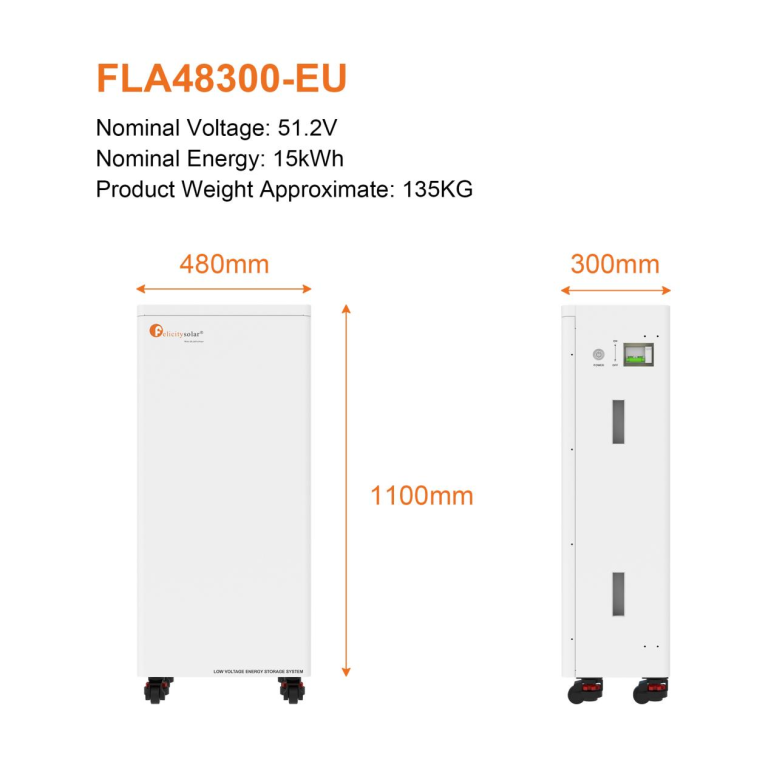
What is a 3 Phase Hybrid Solar Inverter?
A three-phase hybrid solar inverter is a very integrated system. It not only converts DC power from solar panels into usable AC power—it also deals with battery storage, the flow of energy, and backup power. It is very smart in routing power to loads, batteries, or the grid, depending on the power demand and what the system is capable of producing. These inverters are the go-to devices for commercial and industrial installations, from building rooftops to urban housing, and other configurations that require battery storage to get through an outage or to take advantage of time-of-use electricity pricing. The main difference between these two inverters is that the standard 3-phase grid-tied inverter connects to the grid, while the 3-phase hybrid solar inverter connects to the grid or stands alone.
Why Choose a 3 Phase Hybrid Solar Inverter?
Before making a choice, ask yourself if you really need a hybrid solar inverter. A 3-phase hybrid solar inverter is more feature-rich but comes with a bigger price tag compared to a standard grid-tied inverter.
You may require a 3-phase hybrid solar inverter in the following situations:
- Prefer to use solar energy during the day to reduce electricity bills.
- You wish to store additional solar power in batteries for use during the night or on cloudy days.
- You have a large electric load consisting of three-phase equipment, industrial machinery, or heavy appliances.
- Live in an area with high electricity rates or significant peak and off-peak differences.
- Require a continuous power supply during outages to support critical devices.
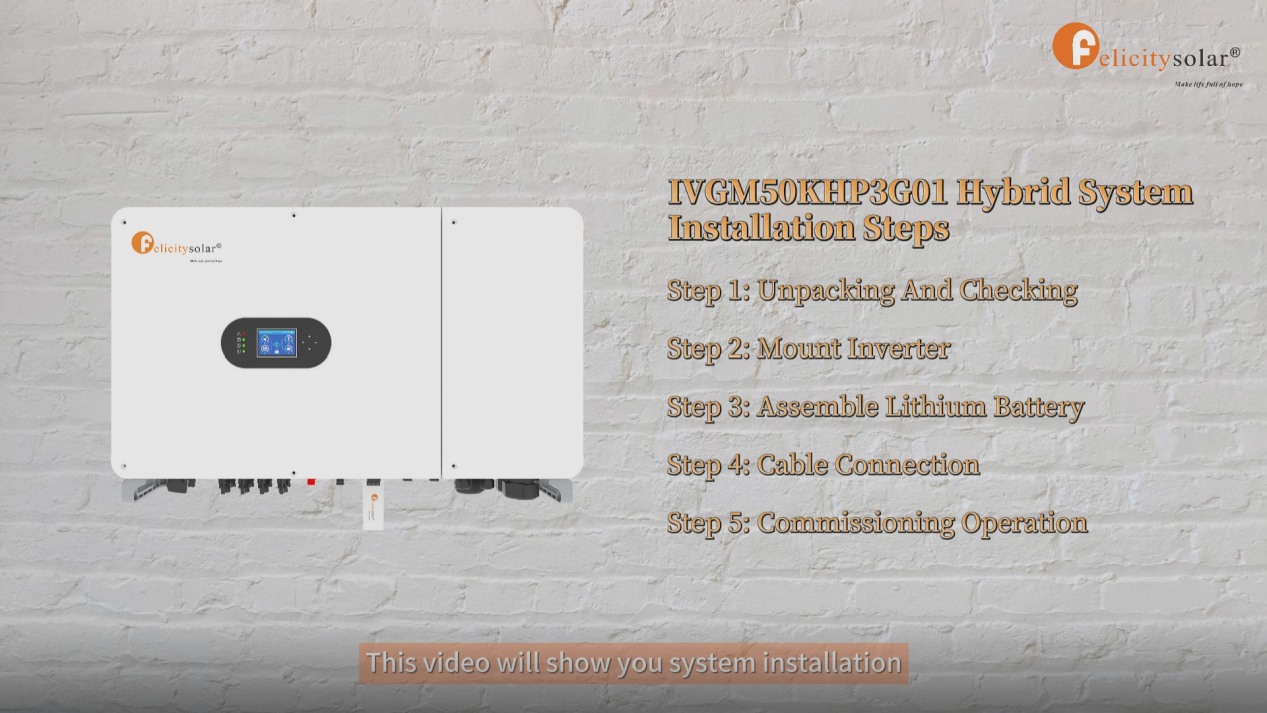
How to Choose the Right 3 Phase Hybrid Solar Inverter?
1. Match the Inverter to Your System Power and Load
The first and most important step is evaluating the total system power demand. This includes not only the installed capacity of your solar panels but also the actual electricity load.
Key parameters to consider:
- Total power of solar panels (kWp), which determines the DC input the inverter can handle.
- Actual electricity load (kW), especially the maximum simultaneous load
- Presence of devices with high starting currents, such as motors, pumps, air conditioners, or industrial machines.
Recommendation:
The inverter’s rated AC output power should not be lower than the system’s maximum load and should include a 10–20% power margin to ensure stable operation under high load or unusual conditions.
2. Confirm Battery Compatibility
Battery compatibility is often overlooked, but is critical in selecting the 3 phase hybrid solar inverter. Different brands of inverters are compatible with different brands of batteries.
Key points to check:
- Supported battery types: lithium, lead-acid, or both.
- Battery voltage range: low voltage (48V) or high voltage.
- Support for parallel or expandable battery setups.
- Compatibility with mainstream battery brands or open communication protocols.
Incompatible batteries can cause system malfunction or reduce battery lifespan. Verifying compatibility during the selection phase is essential for the successful deployment of a 3 phase hybrid solar inverter.
3. Grid-Tied, Off-Grid, and Backup Capabilities
A reliable 3 phase hybrid solar inverter should support multiple operation modes to adapt to different grid and power conditions.
Common modes include:
- Grid-Tied Mode: operating alongside the public grid.
- Off-Grid Mode: fully independent from the grid.
- Hybrid Mode: coordinating between grid, battery, and solar.
- Backup Mode (EPS): automatic power supply during outages.
4. Efficiency and MPPTs
Efficiency directly affects energy yield and is a critical consideration for both SEO users and end customers.
When choosing a 3 phase hybrid solar inverter, check:
- Maximum conversion efficiency, preferably ≥98%.
- Number of MPPTs, which improves performance on complex rooftops.
- Input voltage and current range per MPPT.
For rooftops with multiple orientations or irregular panel layouts, multiple MPPTs allow the 3 phase hybrid solar inverter to track the maximum power point accurately, increasing overall solar output.
5. Communication, Monitoring, and Smart Management
Modern 3 phase hybrid solar inverters are not just power devices—they serve as the central management hub of the energy system.
Key smart features to consider:
- Connectivity options are provided through WiFi, LAN, or 4G.
- Real-time monitoring is available through the app or website.
- Remote parameter configuration, fault diagnostics, and firmware updates.
- Energy management strategies such as self-consumption optimization or peak shaving.
All these features are intended to assist commercial and industrial users, system integrators, and operation teams in reducing system management costs while increasing system efficiency.
6. Safety and Certification Standards
Safety is the first consideration, especially for high-power applications or industrial applications.
High-quality products generally include:
- Comprehensive electrical protections: overvoltage, overcurrent, short-circuit, and anti-islanding.
- High protection rating, such as IP65, for outdoor installation.
- Compliance with international grid-tie and safety standards like CE, IEC, VDE, EN50549.
Note that grid standards vary by country. Therefore, the 3 phase hybrid solar inverter must comply with local regulations.
Conclusion
To recap, to choose the best 3 phase hybrid solar inverter , first determine whether you are targeting residential, commercial, or industrial applications. Then match the power output of the inverter to your requirements, look for high efficiency, strong MPPT performance, and high management features. Finally, check that it meets local grid requirements. The solar inverter is crucial not only to system stability but also to the profitability of the project. At Felicitysolar, we are a professional renewable energy solution provider. We can offer you comprehensive advice regarding the selection of the best solar inverter. If you have questions about the selection process, feel free to get in touch with us.