An off-grid power system is not what it used to be, when it was only used in isolated cabins or villages. The increasing cost of electricity, power outages, and interest in renewable energy sources have made an off-grid power system a viable solution to many practical applications.
This article defines an off-grid power system, how it works, why it is becoming so popular, and some points that need consideration before opting for such a system.
What Is an Off Grid Power System?
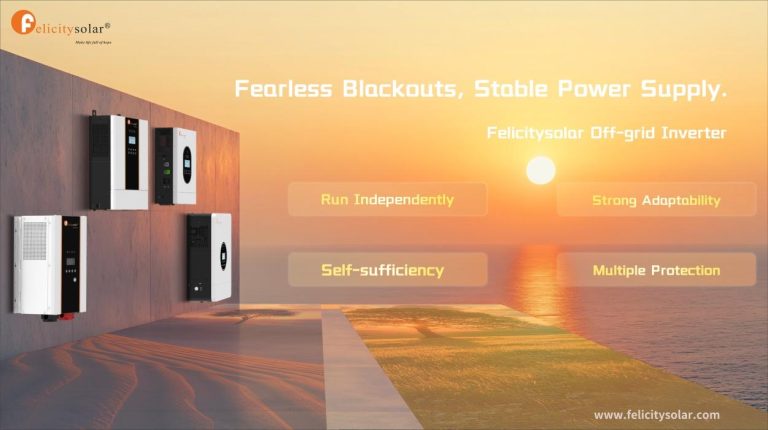
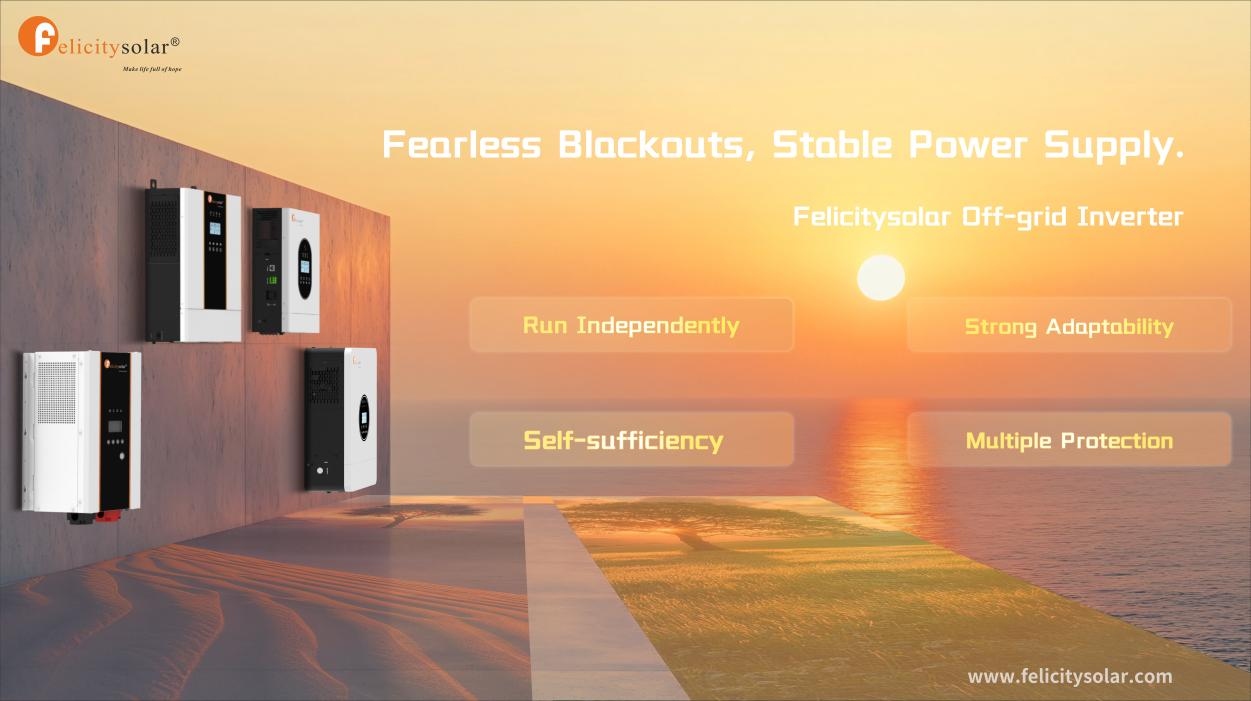
An off-grid power system refers to an energy solution that functions independently of the main electricity grid. This means that the energy solution does not depend on electricity companies for the supply of electricity. Instead, the solution provides electricity through generation and storage.
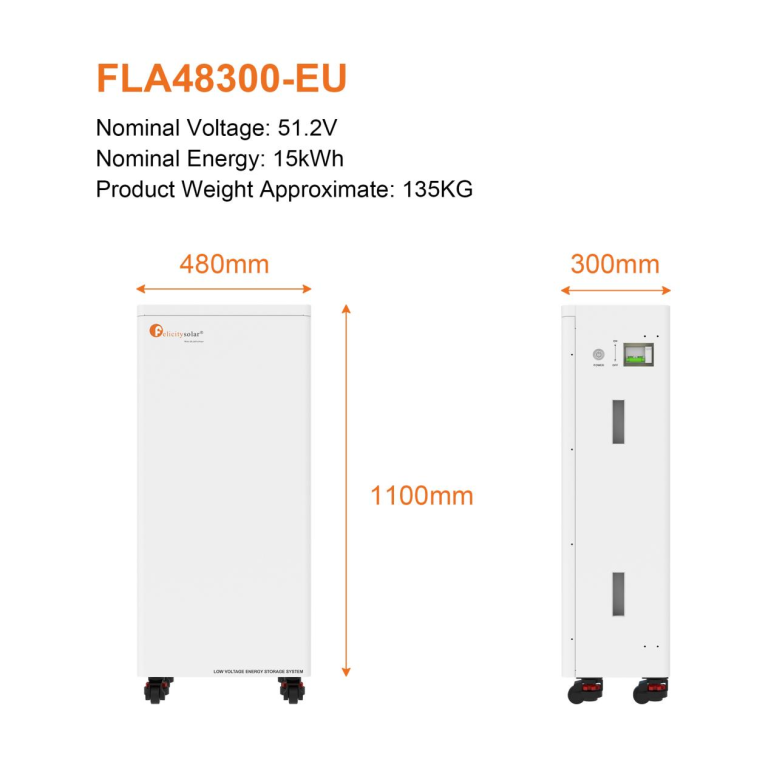
A basic off-grid power system will consist of several components:
- Power Source: Usually solar panels, but sometimes wind turbines or generators
- An energy storage system: Typically batteries, to provide energy during nighttime or low-generation hours
- An inverter for converting the stored DC electricity into AC electricity for domestic or equipment purposes
- A charge controller to regulate the flow of energy and protect the batteries
An off-grid system, unlike a grid-connected system, requires a detailed design to satisfy all power requirements without any support or backup from any other source.
Off-Grid Power Systems: Daily Operation
In practical application, an off-grid power system balances energy generation, storage, and consumption. During the day, solar panels generate electricity. The first point of usage is running the appliances and equipment. The surplus energy is then stored in the battery.
At night or in the event that the weather is cloudy, the system derives its electricity from the batteries. In the event that the system is properly sized, the users should not be able to feel the difference between the electricity and that provided by the grid.
A good off-grid power system will primarily concentrate on the following:
- Energy matching between generation and consumption
- Preventing overcharging
- Deep discharging of batteries
Contemporary systems usually come equipped with monitoring systems that give users real-time information on energy generation as well as usage.
Typical Applications for Off Grid Power Systems
Off-grid power systems have been used in many more places than people have any idea. They can be used for a variety of applications.
- Off-grid houses, cabins, or farms
- Mobile homes, RVs, and camper vans
- Construction sites and temporary facilities
- Outdoor security systems and monitoring stations
- Small Businesses Requiring Backup or Primary Power
In some urban centers, individuals have invested in the off-grid power solution as a backup, ensuring that essential equipment is always in operation.
Advantages of Off-Grid Power Solutions
An off-grid power system has many advantages if properly designed:
- Independence from energy dependence on energy utilities
- Fixed future energy prices
- Less affected by power outages
- Use of renewable energy sources
- Adaptable installation points
In regions where power is not stable or where electricity is expensive, these advantages can outweigh the costs of ownership for consumers.
How to Properly Plan an Off-Grid Power System
Planning is the most critical aspect of designing a successful off grid power system. Hurried planning often leads to substandard power systems.
The important steps involved in planning are:
- Calculating daily and seasonal energy use
- Critical loads are the loads that
- Selecting the battery capacity and the size of the solar panel that is most suitable.
Having experience with the suppliers/solution providers, such as Felicity Solar, can assist the user in avoiding common pitfalls and developing a solution for real-world requirements.
Renewable Energy Solutions – Off Grid Power Systems and Sustainability
Another factor that is bringing attention to off grid power systems is sustainability. In solar-based systems, energy is produced without emissions. As time passes, reliance on fossil fuels is reduced, as well as the carbon footprint of the system.
Many users also incorporate the use of off-grid energy systems and energy-efficient devices. This makes for a well-rounded and sustainable energy lifestyle.
Is an Off Grid Power System Right for You?
Off-grid power systems are not a standard product and can be applied in a specific situation only. Such a system will be most beneficial to a consumer who values independence, reliability, and a long-term approach to power supply. This system may not be required in a situation with reliable and low-cost access to a power grid with low outage risk.
Users should consider the following before making a decision:
- Energy needs and behavior
- Availability of local sunlight or renewable resources
- Willingness to manage energy consumption
When these elements are in place, an off-grid power system can provide a reliable and enabling alternative.
Conclusion
The off-grid power system has developed from a reserve to a mainstream energy solution. This has been driven by public interests, including energy security, cost management, and sustainability. The fact is that an off-grid power system, when designed well and managed with reasonable expectations, can provide a lifestyle similar to that powered by the grid.
However, you are welcome to visit the Felicity Solar website if you wish to discuss the functionality of such systems with us. This will enable you to take the right decisions and bring the dream of energy independence within your reach. In case you decide to use our system, we assure you of excellent support.