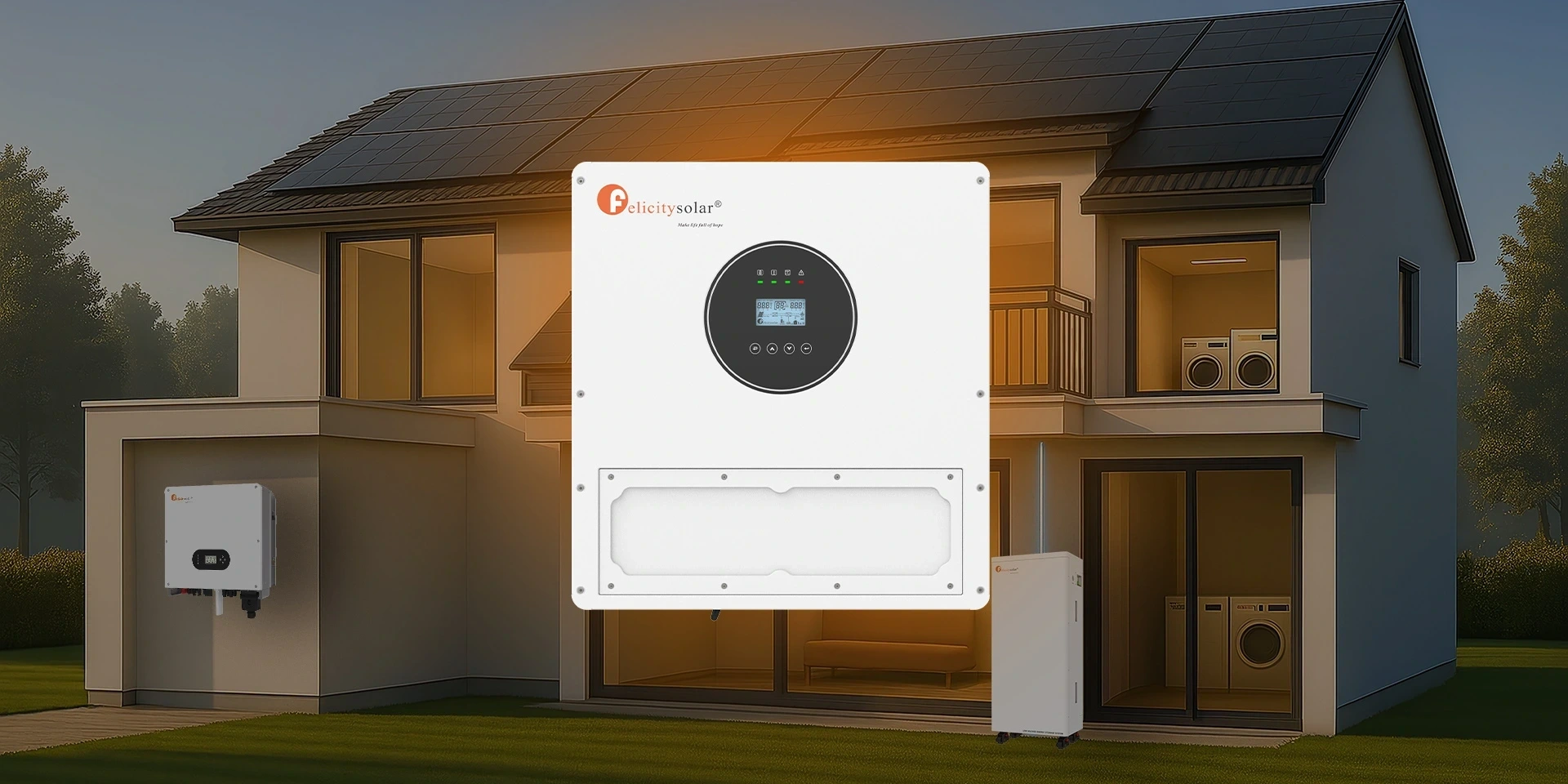
Given the rise in energy prices and growing environmental concerns, many homes and businesses are turning to renewable energy solutions. A complete off grid solar system has therefore become an ideal option for people living in remote areas, outdoor camps, or for users seeking energy independence. To determine whether an off-grid solar system meets your needs, this article will explain how it works, outline its key components, and highlight its advantages.
What is a Complete Off Grid Solar System and How Does It Work?
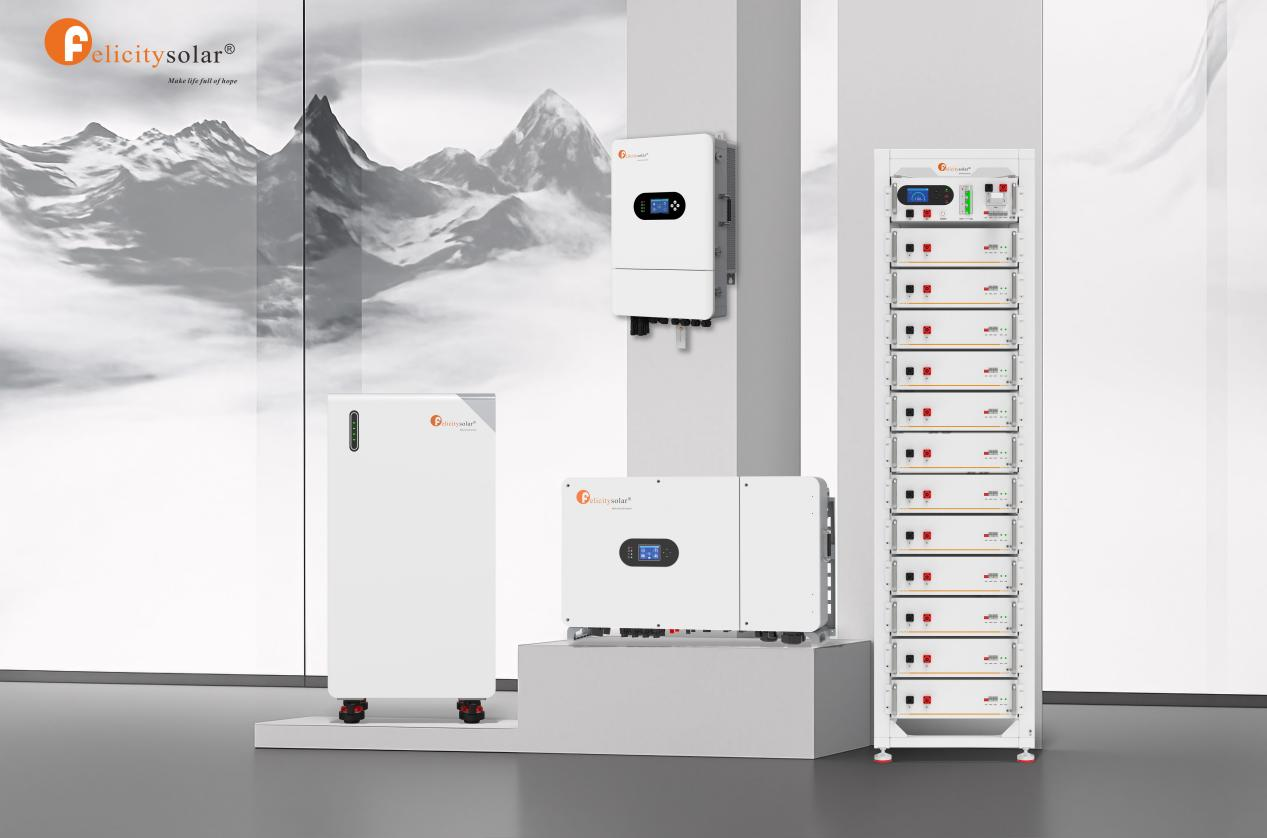
An off-grid solar system refers to a self-sufficient electrical arrangement that does not depend on the communal power grid. It uses solar panels to capture sunlight, changes it into electrical energy, and keeps it in batteries for later use during the night or bad weather. Apart from a battery bank and solar panels, the system usually includes a charge controller and an inverter so that the power supply is safe and reliable.
What are the components of an off-grid solar system?
1. Solar Panels
A complete off grid solar system makes extensive use of solar panels as a primary component to meet energy demands and can be classified into various types on the basis of construction material.
- Monocrystalline silicon: High efficiency and long lifespan; however, it has a higher upfront cost.
- Polycrystalline silicon: Lower upfront cost; however, it has slightly lower efficiency.
2. Charge Controller
The charge controller controls the voltage and current to the batteries in order to extend the lifespan of the batteries.
3. Batteries
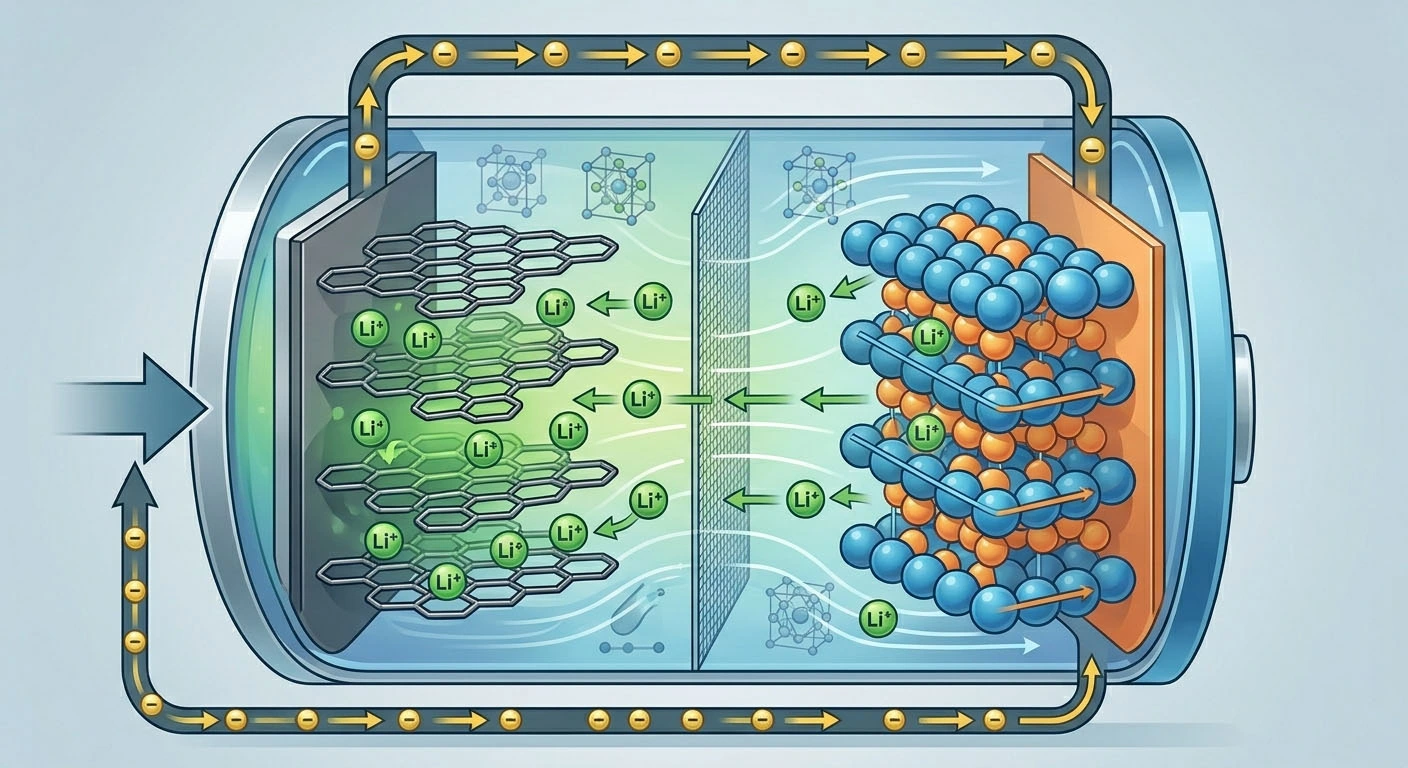
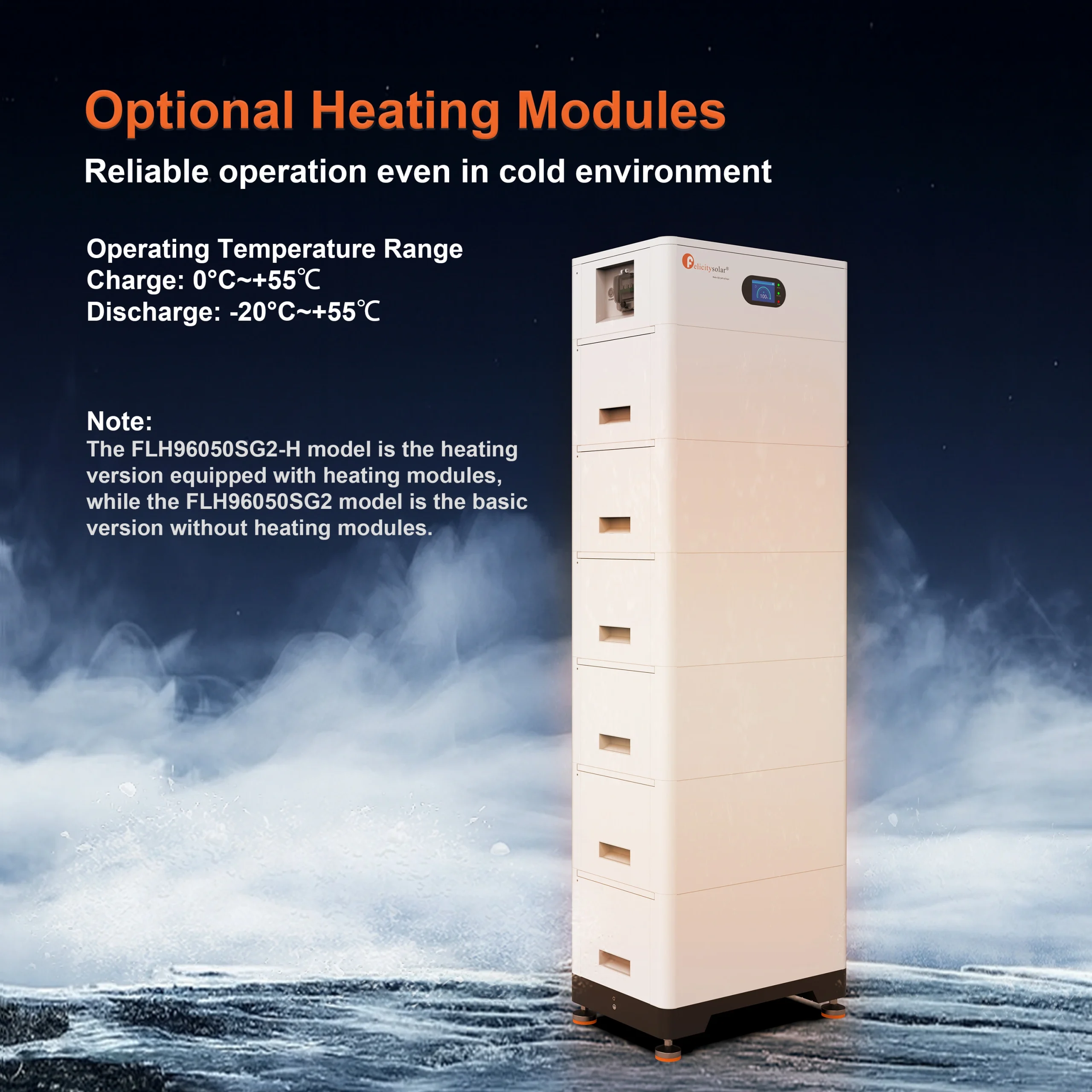
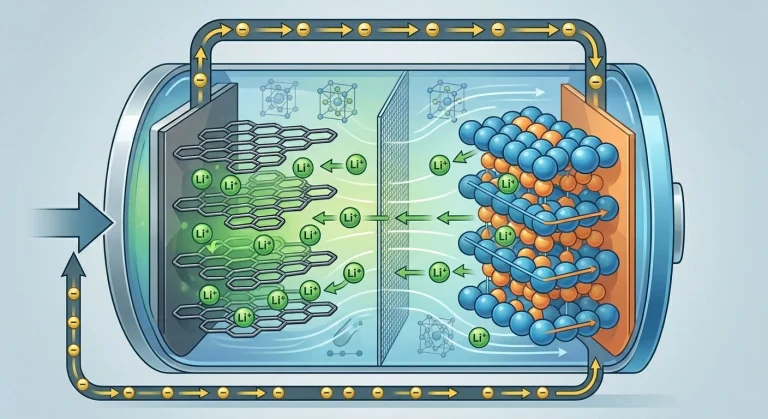
The batteries are the storehouse medium that will be used when there’s inadequate energy being produced. There are colorful types of batteries, including
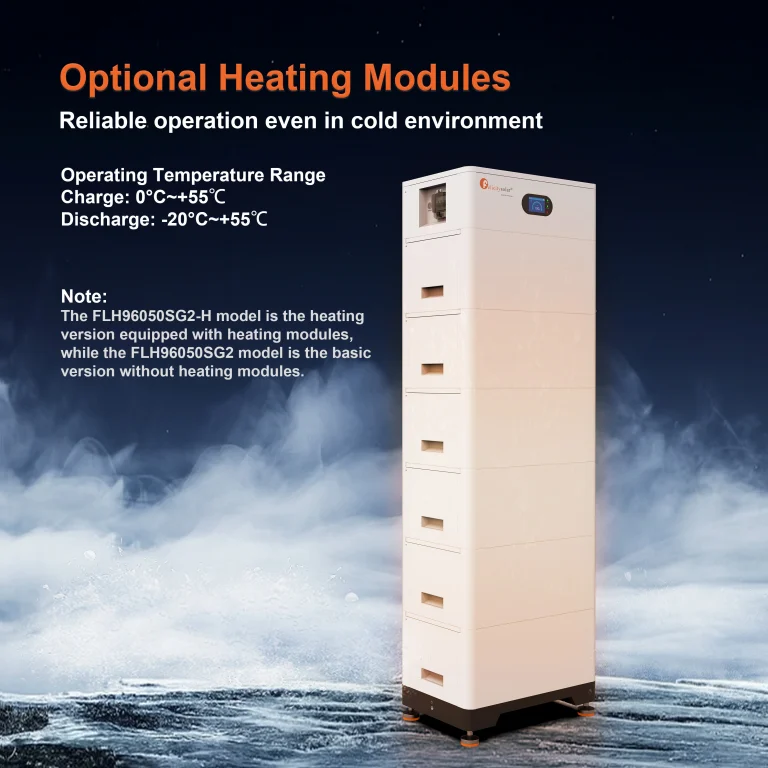
- Lithium batteries have a long lifetime, are compact, effective, and low-maintenance.
- Swamped Lead Acid batteries are cost-effective but large in size and require regular maintenance.
- AGM Lead Acid batteries Stable performance and bear no conservation, stylish for domestic use in off-grid systems.
4. Inverter
The inverter plays a critical role in converting DC to AC, making the energy usable for household loads. There are various types of inverters, including:
- A pure sine wave inverter can supply energy to any type of appliance.
- Modified Sine Wave Inverter can supply energy to common ménage appliances.
- A hybrid inverter can be connected to solar panels and backup generators, therefore suitable for complete off-grid solar systems.
Off-Grid vs. Grid-Tied Solar Systems
The choice of the type of complete off grid solar system to be used is dependent on the needs of the user, as the two systems have various disadvantages and advantages:
- Off-Grid Solar System: Can operate independently of the public grid and utilize the batteries in case of a blackout.
- Grid-Tied Solar System: Uses the public grid as the backup source of energy in case of insufficient energy being produced.
The choice of the type of system to be used is dependent on the needs of the user, as follows:
- Off-Grid Solar System: Best suited for residential use in remote areas where there is no access to the public grid.
- Grid-Tied Systems: Best suited for individuals already connected to the grid who would like to reduce their electricity costs.
How to Determine the Right Size for an Off-Grid Solar System
When sizing a complete off-grid solar system, consider the following factors
- Daily Energy Consumption: Calculate the average diurnal electricity use of your ménage or installation.
- Sun Vacuity: Determine the number of solar panels required based on original sun hours and seasonal variations.
- Battery Storage Capacity: Choose sufficient battery capacity to cover energy requirements and successive cloudy days.
- System Redundancy. It’s recommended to include 20- 30 redundant capacity to ensure stable power during peak operation or unusual rainfall conditions.
Conclusion
A complete off grid solar system provides an ideal result for druggies seeking energy independence. The system design is flexible and can be acclimated grounded on your electricity needs and the number of solar panels and batteries.
From a user perspective, Felicity Solar offers highly effective, safe, and durable off-grid solar systems. Each system is equipped with advanced lithium batteries and smart inverters, suitable for both domestic and marketable use. For inquiries or customized system results, communicate with a Felicity Solar expert to design the most suitable energy setup for your requirements.