

High voltage lithium ion battery systems are widely used in electric vehicles, energy storage systems, industrial equipment, and renewable energy applications. As their power capacity and energy density increase, many users begin to ask the same question: Are high voltage lithium ion batteries safe? The answer is not simply yes or no, because safety depends on battery design, usage conditions, and protection systems. In general, a properly designed and correctly operated high voltage lithium ion battery is safe, but it still requires strict safety management to avoid risks such as overheating, short circuits, and thermal runaway.
Safety Design and Built-in Protection Systems
The safety of a high voltage lithium ion battery largely depends on its internal design and protection mechanisms. Modern battery packs are not just simple energy storage units; they are integrated systems with multiple layers of safety control.
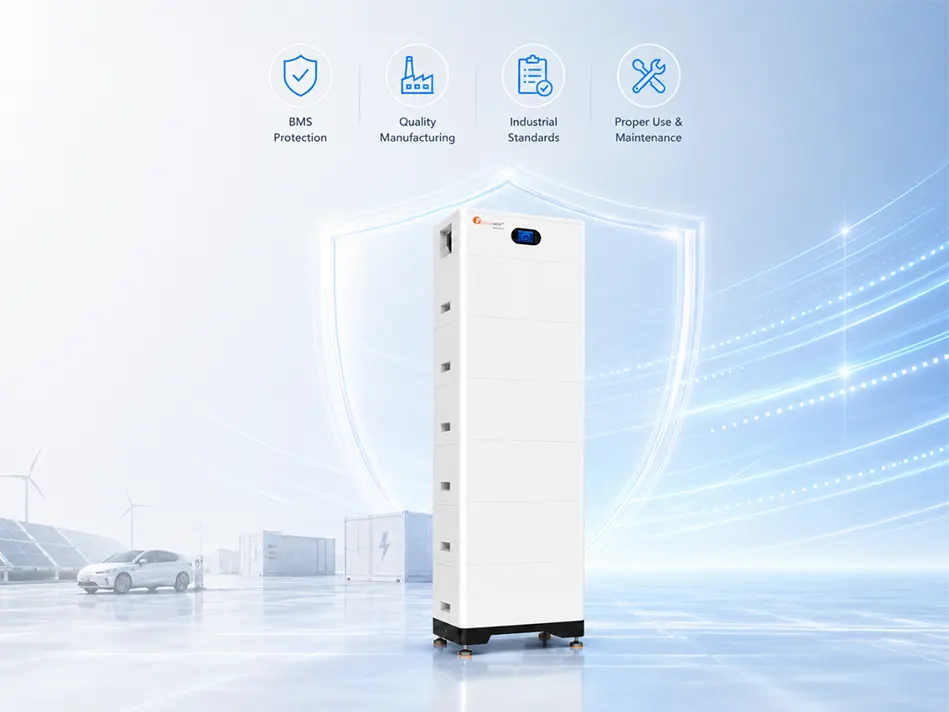
- Battery Management System (BMS): The BMS continuously monitors voltage, current, and temperature. If abnormal conditions are detected, it automatically shuts down or limits performance to prevent damage or hazards.
- Cell balancing technology: In a high voltage lithium ion battery pack, individual cells may charge and discharge unevenly. Balancing circuits ensure consistent performance across all cells, reducing stress and preventing overcharging.
- Physical safety structure: Many battery packs include fire-resistant casing, insulation layers, and pressure relief designs. These structural protections help contain risks even if internal failure occurs.
Common Safety Risks and Their Causes
Although high voltage lithium ion batteries are generally safe, certain risks can occur if the system is misused or poorly manufactured. Understanding these risks is essential for safe operation.
- Thermal runaway: This is considered one of the most critical risks. It happens when excessive heat triggers a chain reaction inside the battery, potentially leading to fire. It is often caused by overcharging, physical damage, or manufacturing defects.
- Electrical short circuit: If the battery terminals or internal components are damaged, it may create a short circuit, leading to rapid heat generation and possible failure.
- Overcharging and deep discharging: Repeated overcharging or over-discharging can degrade battery stability, reduce lifespan, and increase safety risks over time.
Safe Usage Guidelines for High Voltage Lithium Ion Battery
Proper operation plays a critical role in maintaining safety. Even the best-designed high voltage lithium ion battery requires correct handling to perform safely and efficiently.
- Use compatible charging systems: Always use chargers and controllers specifically designed for high voltage lithium ion battery systems. Incorrect voltage or current settings can lead to instability.
- Avoid extreme environments: High temperature, humidity, or freezing conditions can negatively affect battery performance and safety. Ideal operating conditions help maintain chemical stability.
- Regular inspection and maintenance: Periodically check for swelling, leakage, or abnormal heat generation. Early detection of issues significantly reduces risk.
Industrial Applications and Safety Standards
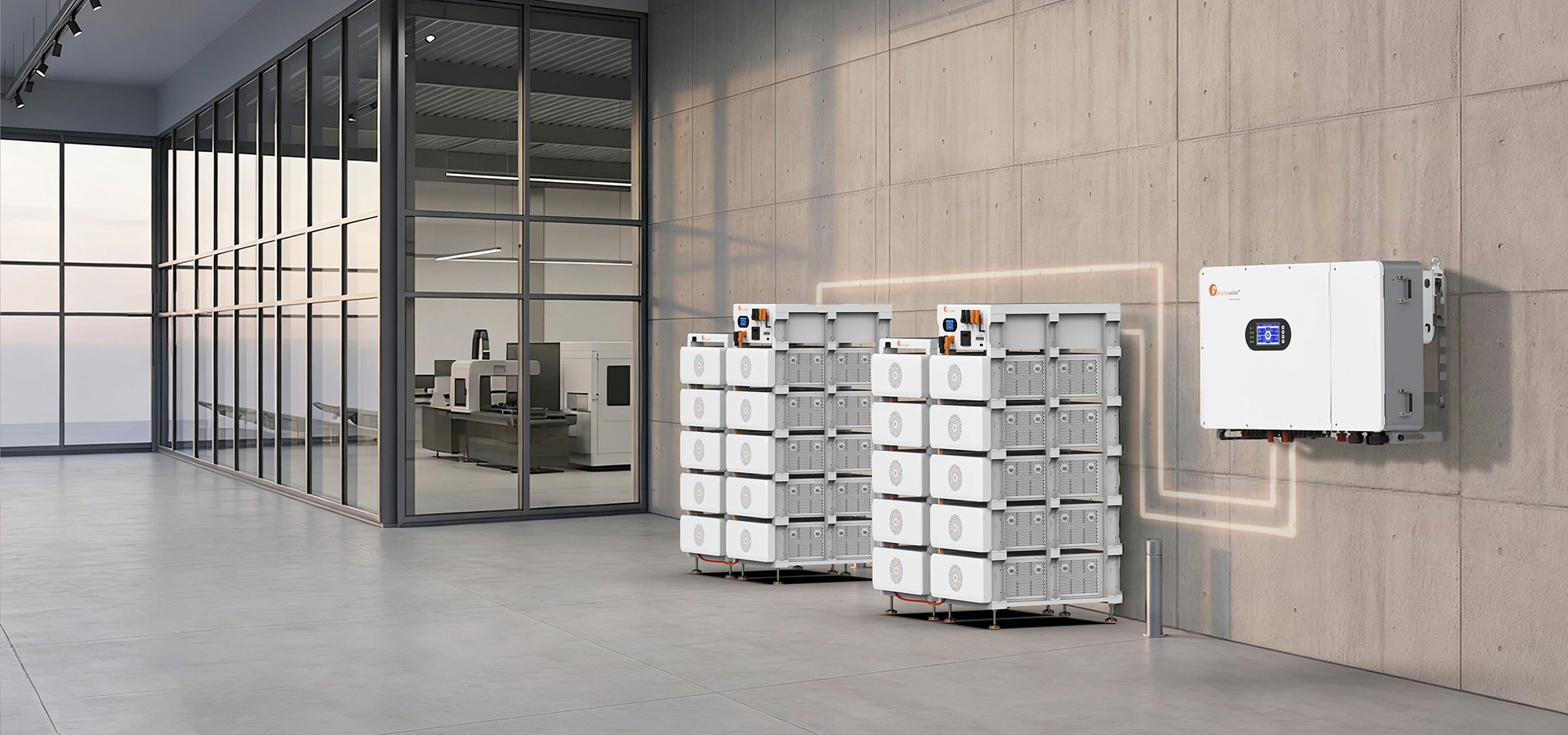
In industrial and commercial environments, high voltage lithium ion battery systems are designed with stricter safety standards and certifications. These standards ensure reliable performance under demanding conditions.
- International certifications: Many batteries comply with standards such as UL, IEC, and CE, which verify electrical safety, thermal stability, and durability.
- Redundant protection systems: Industrial battery systems often include multiple layers of protection, such as secondary BMS units, fuses, and emergency shutdown mechanisms.
- Controlled integration environments: In applications like energy storage systems or electric vehicles, batteries are integrated into controlled systems that manage temperature, load distribution, and real-time diagnostics.
Conclusion
High voltage lithium ion battery technology is generally safe when designed with proper protection systems and used under recommended conditions. Most safety issues arise not from the technology itself but from improper handling, poor maintenance, or low-quality manufacturing. With advanced Battery Management Systems, strict industrial standards, and correct usage practices, high voltage lithium ion battery systems can operate reliably and safely in a wide range of applications, from electric vehicles to large-scale energy storage.