
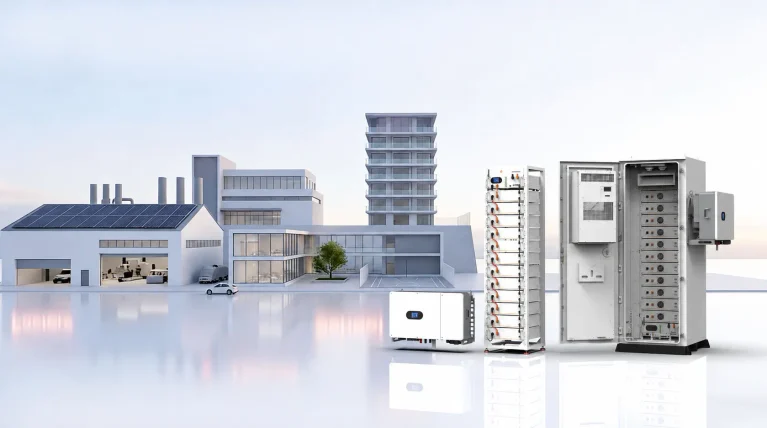
Energy systems are changing quickly as more individuals and companies turn to becoming independent of unreliable power networks and the high costs of electricity. Among these emerging technologies, off-grid solutions have become one of the most practical and scalable approaches to achieving energy autonomy. However, selecting the right system is not a simple purchase decision—it requires careful evaluation of energy demand, system design, and long-term efficiency. This article offers an effective roadmap to assist users in comprehending how to select the appropriate off-grid solutions from the perspective of Felicity Solar energy systems.
1. What Are Off-Grid Solutions?
Off-grid solutions refer to independent power systems that operate without relying on the public electricity grid. Such energy systems produce, store, and distribute energy locally using a combination of solar energy production, battery storage, and inverters.
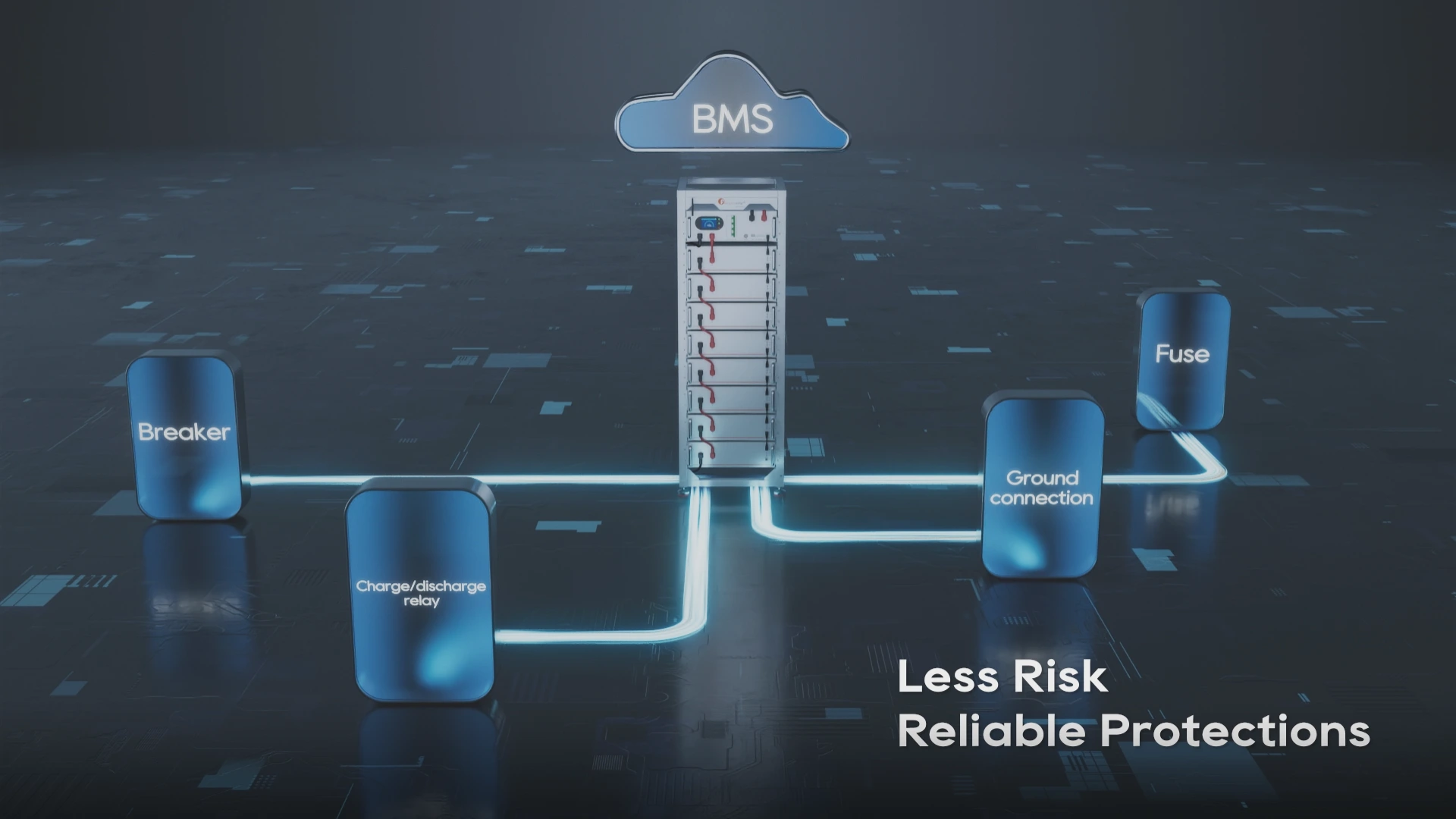
Core System Components
A complete off-grid setup usually includes:
- Solar photovoltaic (PV) panels for energy generation
- Battery storage systems for energy retention
- Inverter systems for power conversion
- Energy management systems (EMS) for intelligent control
Working Principle
Solar panels produce electricity in the daytime. Surplus energy is stored in batteries, while inverters convert DC to AC energy. Power is available all day and night because of stored energy. This closed-loop system is the foundation of reliable off-grid solutions.
Application Scenarios
- Residential homes
- Remote or rural areas
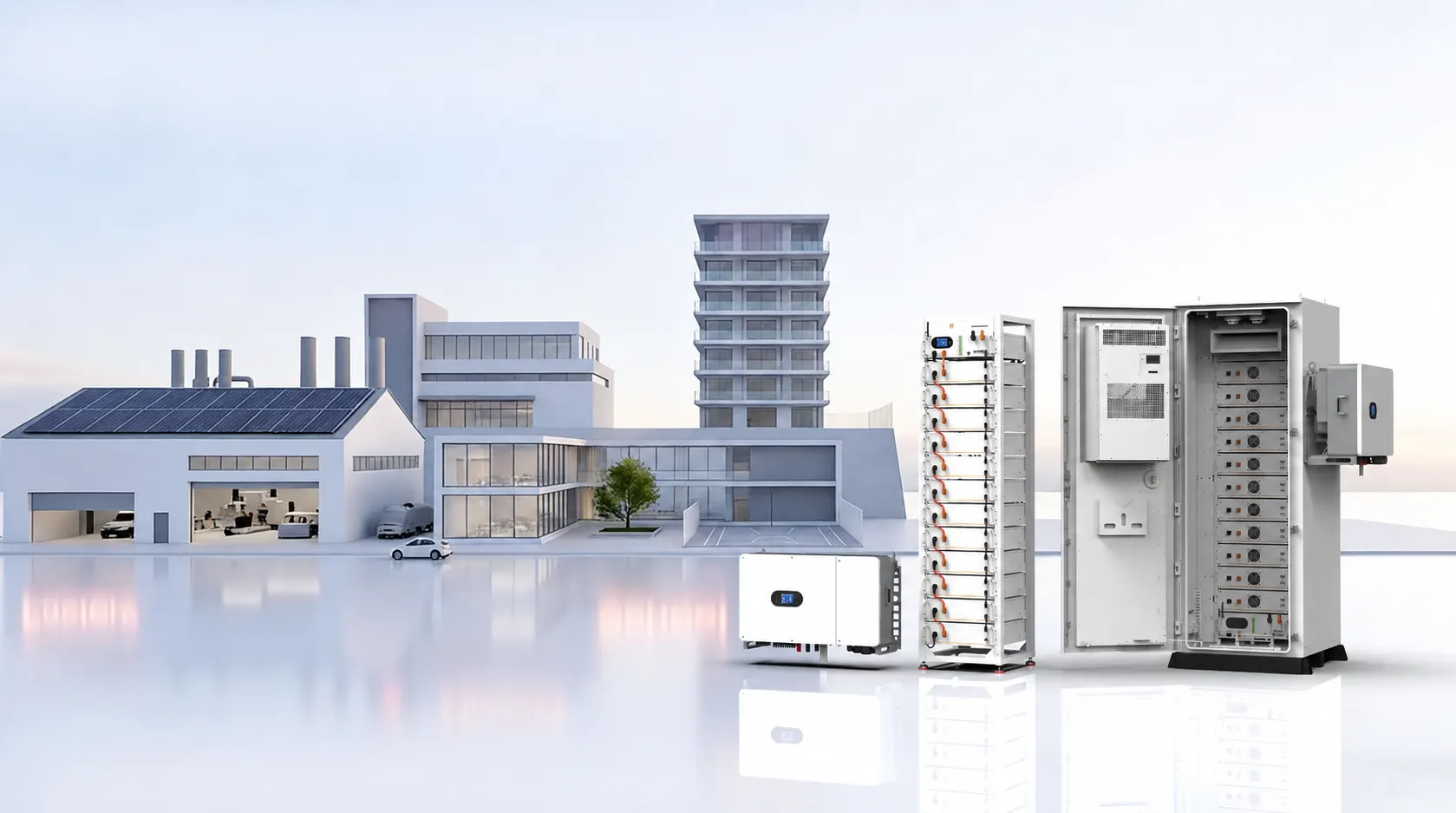
- Small commercial facilities
- Agricultural and outdoor installations
2. Why More Users Are Choosing Off-Grid Solutions
The demand for off-grid solutions has increased significantly in recent years due to economic, environmental, and infrastructural factors.
Energy Independence
Users are no longer fully dependent on public grids, reducing risks caused by outages or unstable electricity supply.
Long-Term Cost Efficiency
While the initial installation cost may usually fall between $5,000 and $15,000 for domestic installations, it is possible for users to cut their electricity bills by 30%-60%.
Sustainability Trends
With global carbon neutrality goals, renewable-powered off-grid solutions are becoming a preferred choice for reducing environmental impact.
Improved Power Reliability
In regions with unstable grids or frequent blackouts, off-grid systems provide uninterrupted 24/7 electricity support.
3. Key Factors Before Choosing Off-Grid Solutions
Selecting the appropriate off-grid solutions entails conducting an organized assessment instead of considering just the price alone.
Energy Consumption Analysis
Understanding daily power usage is essential:
- Small household: 3–6 kWh/day
- Average household: 8–15 kWh/day
- Commercial use: 20–50 kWh/day or more
Battery Storage Capacity
Battery sizing is typically designed for 1–3 days of backup power:
- 10 kWh daily consumption → recommended 20 kWh storage system
Proper sizing ensures stability during cloudy or low-generation periods.
Solar Resource Conditions
Solar efficiency depends heavily on location:
- High sunlight areas: 5–6 peak sun hours/day
- Moderate regions: 3–4 peak sun hours/day
This directly affects system size and investment requirements.
System Scalability
Future expansion is a critical factor. High-quality off-grid solutions should support modular upgrades without replacing the entire system.
Budget and ROI
Investment planning should consider both upfront and long-term returns:
- Residential systems: $5,000–$15,000
- Commercial systems: $20,000+
- Payback period: typically 6–10 years
4. How to Choose Off-Grid Solutions for Different Scenarios
Different use cases require different system configurations to ensure efficiency and stability.
4.1 Residential Applications
For households, compact systems between 3kW and 8kW are usually sufficient for daily appliances, lighting, and essential devices.
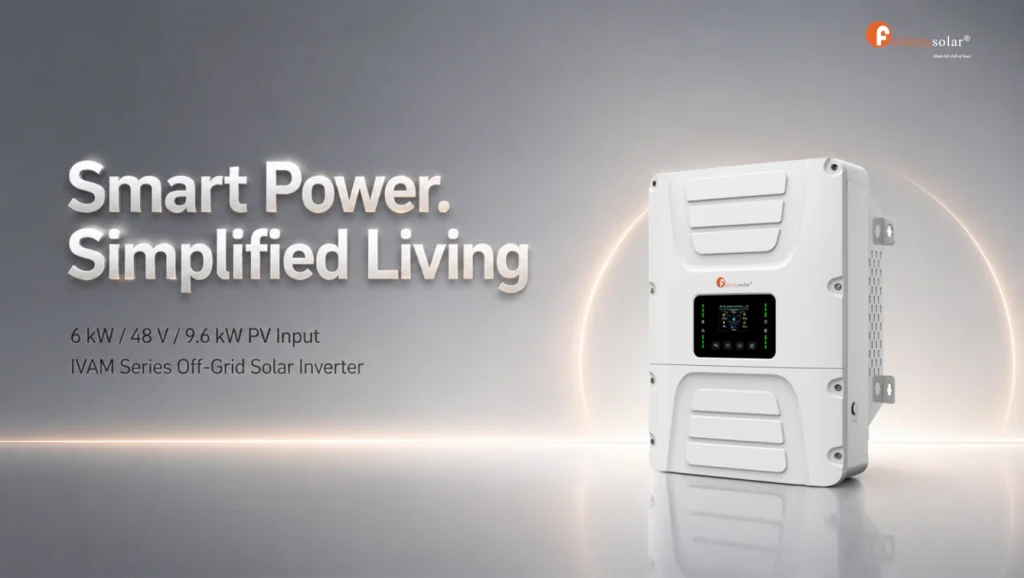
For example, Felicity Solar’s IVAM 6048P1G1 6kW off-grid inverter system integrates inverter, solar charger, and battery charging functions into one unit. It supports multiple operating modes, including off-grid and UPS functions, making it a practical example of modern off-grid solutions for residential use.
4.2 Commercial and Industrial Applications
Commercial users require higher power stability and load capacity. They usually span the capacity range of 10kW to 50kW or higher, complemented by large batteries that are used to guarantee the continued operation of equipment essential for a facility’s processes.
4.3 Remote and Off-Grid Areas
In remote locations where there is no grid power, off-grid systems come into play. Such systems should be completely independent, typically incorporating solar panels, large-capacity batteries, and generator sets as well.
Conclusion
Off-grid solutions are more than just choosing equipment; they are an energy solution that needs to be carefully planned according to your needs and the environment. By designing your system properly, you could make your energy consumption much more efficient, save money, and get reliable energy sources for years to come.
In case you have any further queries concerning the design of the system and the most appropriate off-grid systems that suit your project, please do not hesitate to contact Felicity Solar!