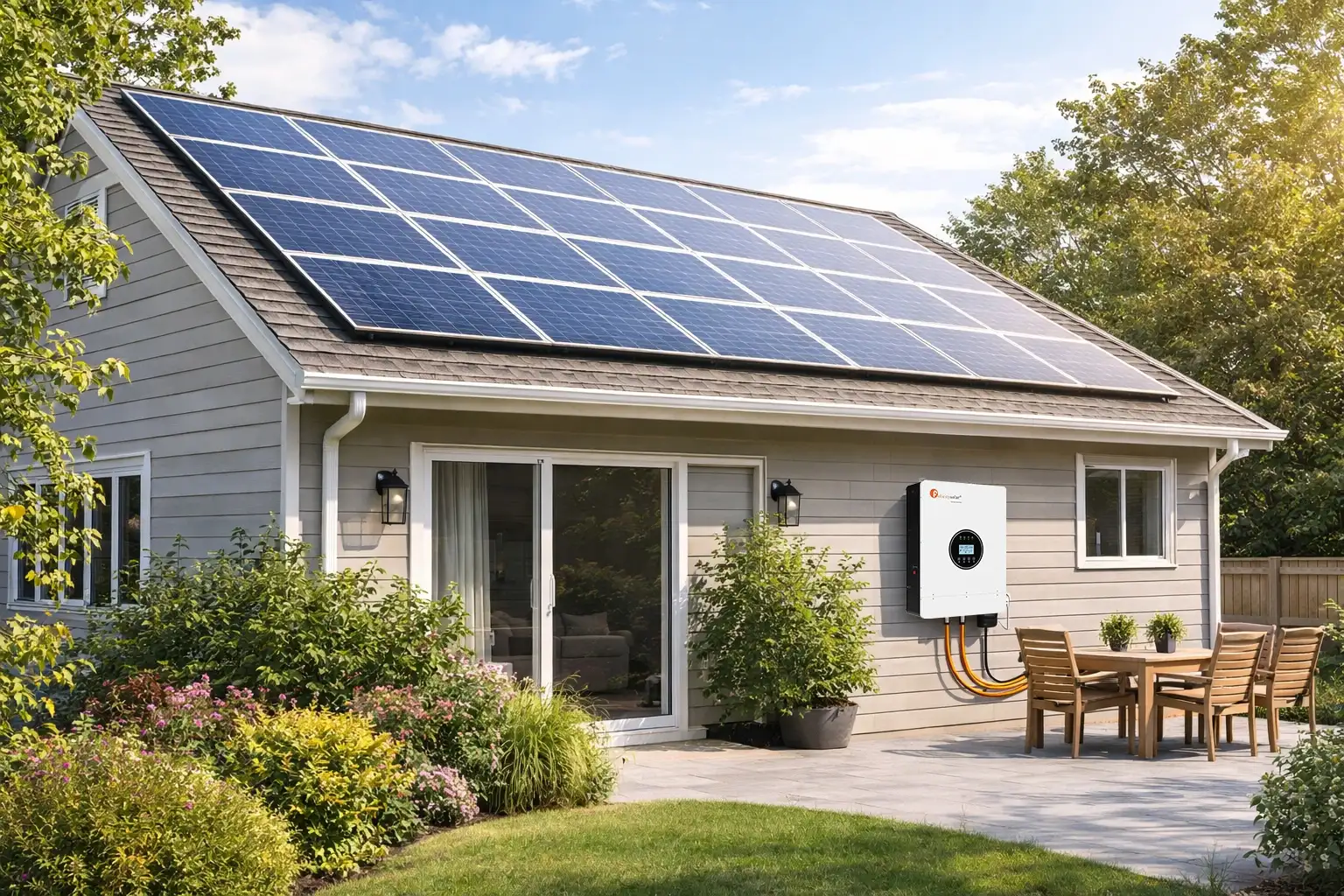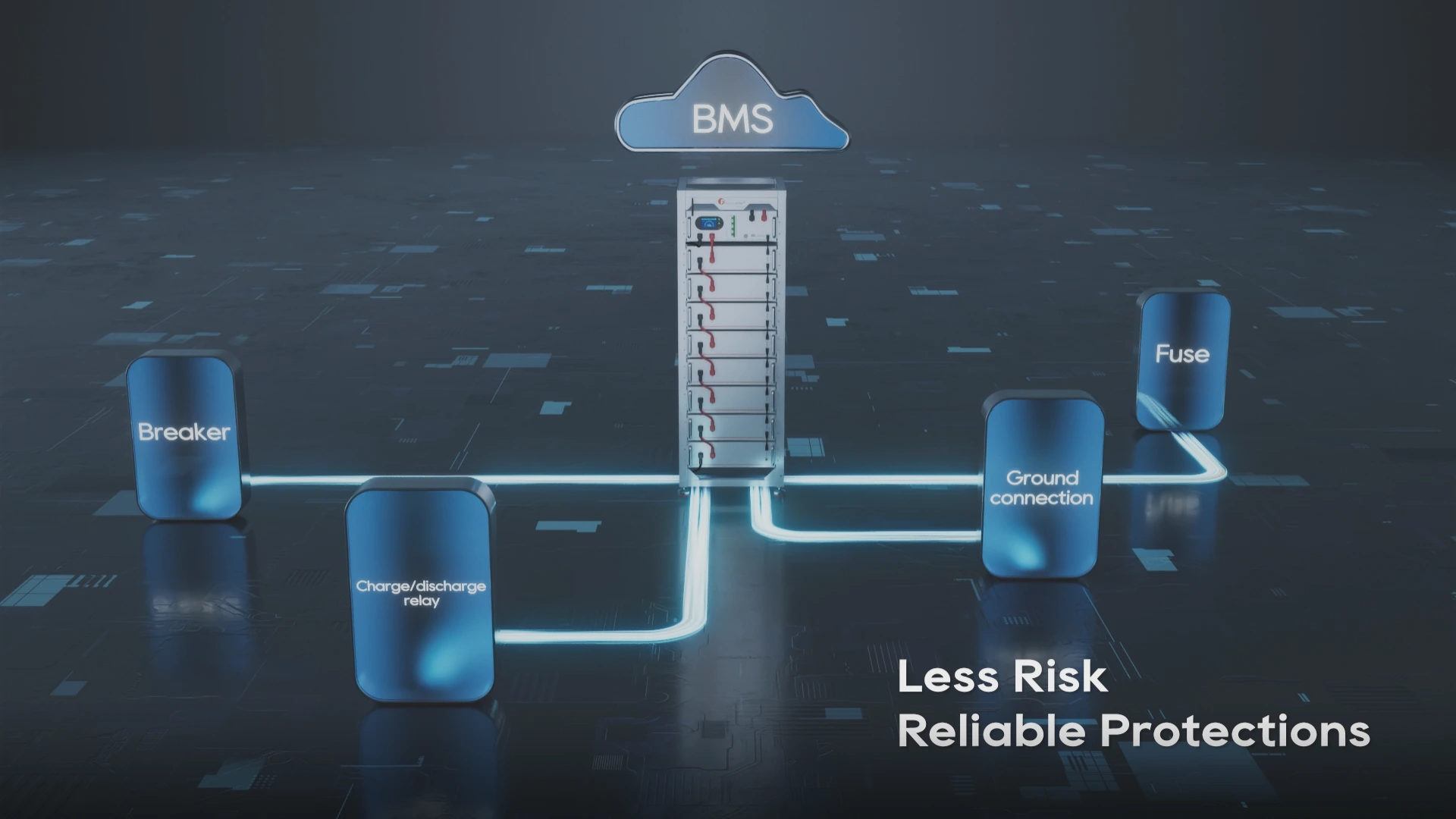
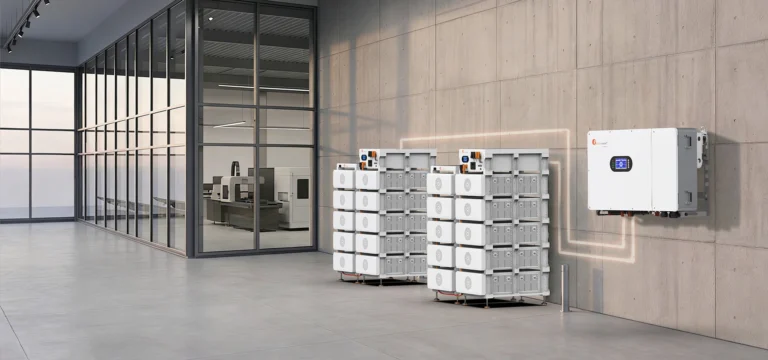

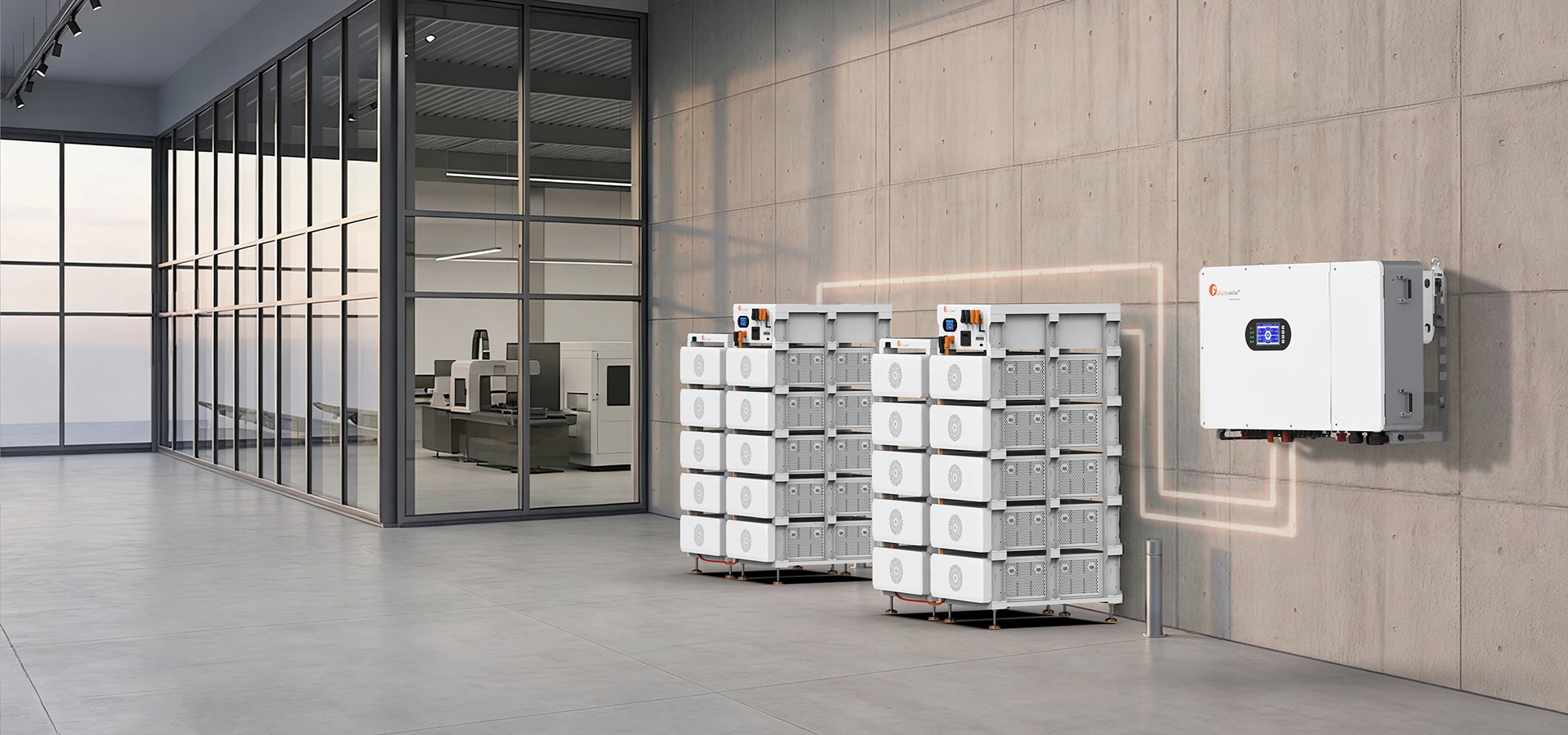
With the rapid development of solar energy storage systems, the MPPT hybrid solar inverter has become one of the most critical components in residential PV systems, commercial energy storage setups, and utility-scale solar applications. It not only determines overall system efficiency but also directly affects battery charging management and energy utilization performance. Therefore, selecting a suitable MPPT hybrid solar inverter is essential for long-term system stability and return on investment.
Modern systems have evolved significantly, and today’s MPPT hybrid solar inverter integrates photovoltaic conversion, battery storage control, grid interaction, and intelligent energy management into a single advanced platform.
1. Core Technology and Performance of MPPT Hybrid Solar Inverter
Before selecting a system, it is important to understand how an MPPT hybrid solar inverter works. MPPT (Maximum Power Point Tracking) technology continuously adjusts voltage and current to ensure solar panels operate at their optimal power output point.
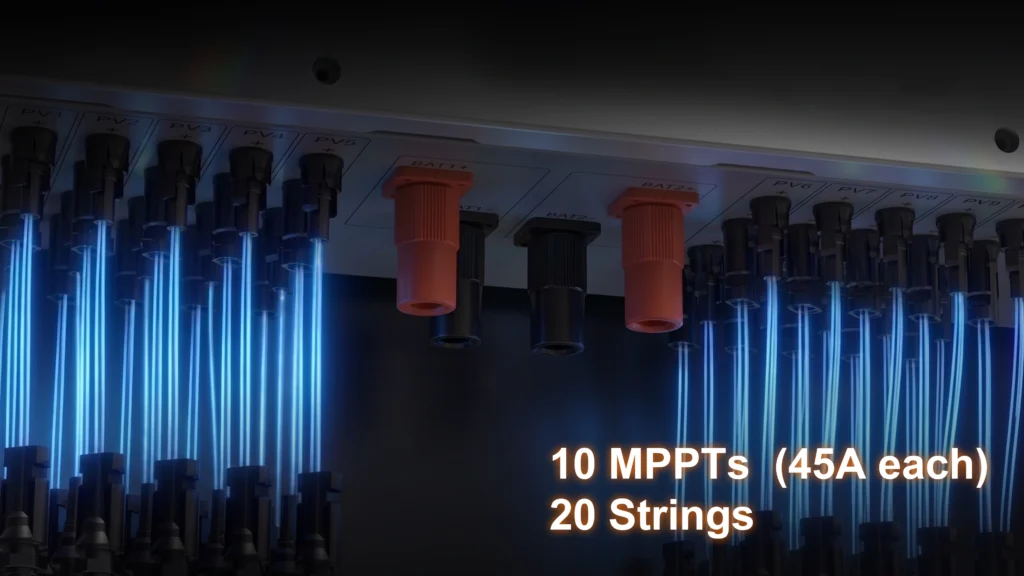
1.1 MPPT efficiency and power performance
High-quality MPPT hybrid solar inverter systems typically offer:
- MPPT efficiency: above 99%
- Conversion efficiency: 96%–98.5%
- Standby consumption: 1W–5W
This means a high-performance MPPT hybrid solar inverter can increase overall system energy yield by approximately 10%–25% compared to conventional inverters.
1.2 Input voltage range and compatibility
Most modern MPPT hybrid solar inverter models support:
- Start-up voltage: around 90V-250V
- Maximum input voltage: 500V-1000V
A wider MPPT range improves system flexibility and ensures better adaptability under different installation environments.
2. Application Advantages of MPPT hybrid solar inverter in Energy Storage Systems
In energy storage applications, the MPPT hybrid solar inverter plays multiple roles, including solar conversion, battery charging control, and load distribution management.
2.1 Multi-energy coordination capability
A modern MPPT hybrid solar inverter can intelligently manage:
- Solar priority consumption
- Battery charging and discharging
- Grid power supplementation
- Peak and off-peak load optimization
With smart energy algorithms, overall system efficiency can improve by approximately 15%–30%.
2.2 Battery compatibility and system scalability
Most advanced MPPT hybrid solar inverter models support:
- Lead-acid batteries
- Lithium batteries (LiFePO4)
- High-voltage battery systems
Some systems also support parallel operation of 4–6 units, allowing scalability from 10kW to over 60kW, suitable for both residential and commercial applications.
3. Key Selection Parameters for MPPT Hybrid Solar Inverter
Choosing the right MPPT hybrid solar inverter requires evaluating several technical specifications that directly affect performance and reliability.
3.1 Core performance comparison
| Parameter | Recommended Range | Description |
| Conversion efficiency | 96%-98.5% | Reduces energy loss |
| MPPT channels | 2–4 | Improves PV flexibility |
| Protection rating | IP65 or higher | Outdoor durability |
| Overload capacity | 110%–150% | Handles peak loads |
A high-quality MPPT hybrid solar inverter offers stronger overload capability and better environmental resistance.
3.2 Thermal management and environmental adaptability
Efficient cooling design significantly extends system lifespan. Studies show that operating a MPPT hybrid solar inverter below 40°C can increase service life by 20%–35%.
4. System Design and Configuration Guidelines
Proper system design directly influences the efficiency of a MPPT hybrid solar inverter.
4.1 PV array matching principles
Recommended design rules:
- PV array size: 110%–130% of inverter rated power
- Ensure string voltage does not exceed MPPT limits
- Balance input distribution across MPPT channels
Proper configuration ensures the MPPT hybrid solar inverter operates at optimal efficiency.
4.2 Battery capacity matching
Typical configurations include:
- Residential systems: 5kWh–15kWh
- Commercial systems: 20kWh–200kWh
Correct sizing improves the economic performance of the MPPT hybrid solar inverter and enhances system stability.
5. Maintenance and Lifespan Optimization of MPPT hybrid solar inverter
The typical lifespan of an inverter is 8–15 years, but proper maintenance can extend it significantly.
Key maintenance practices:
- Inspect cooling fans every 6 months
- Check terminals and temperature annually
- Maintain proper ventilation and dust control
- Update firmware regularly
A well-maintained MPPT hybrid solar inverter can reduce failure rates by more than 30% and ensure stable long-term operation.
6. Felicity Solar 125kW MPPT Hybrid Solar Inverter
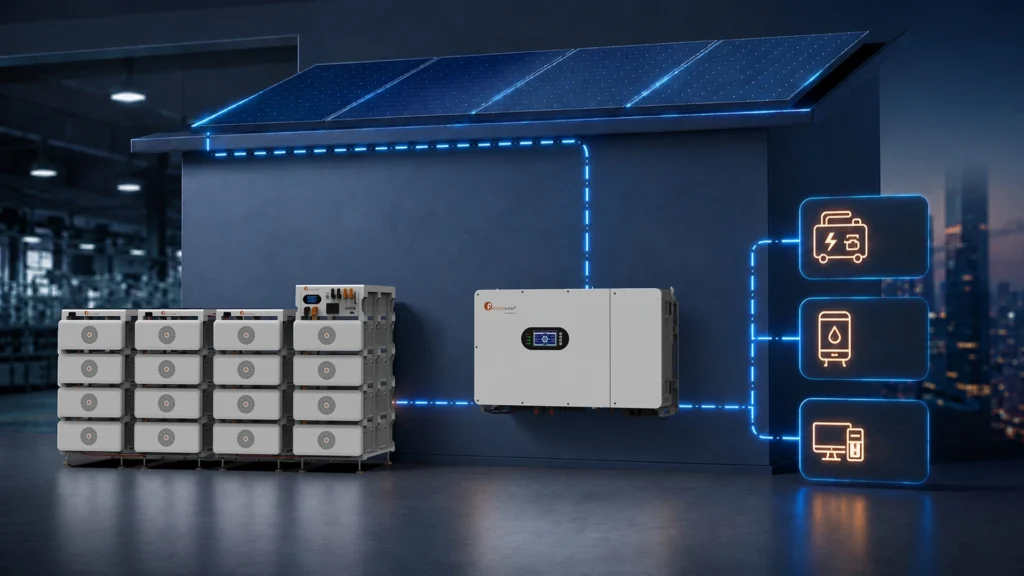
The 125kW MPPT hybrid solar inverter from Felicity Solar is engineered for commercial and industrial energy storage applications requiring high efficiency, reliability, and intelligent control.
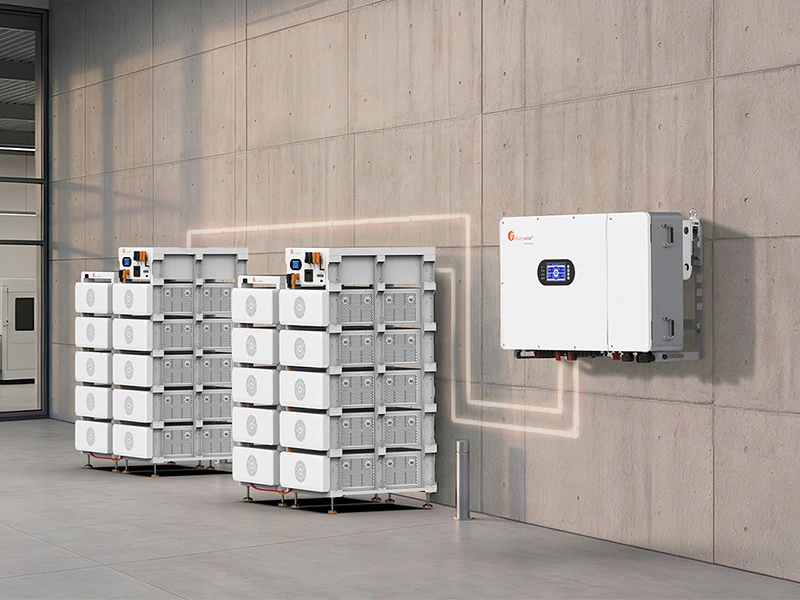
It ensures 0ms grid-to-off-grid switching, providing uninterrupted power supply for critical loads. The inverter supports single-phase input with three-phase output, making it highly adaptable for complex industrial power systems.
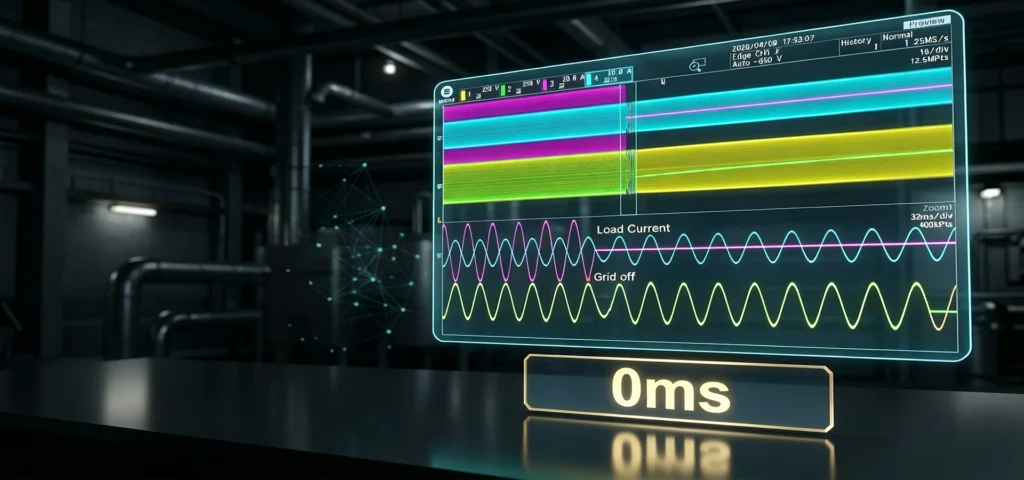
With 2× PV input oversizing capability and dual independent battery ports, it delivers stable high-power performance while maximizing solar energy utilization. The built-in active PID recovery function helps reduce long-term module degradation and improves overall energy yield.

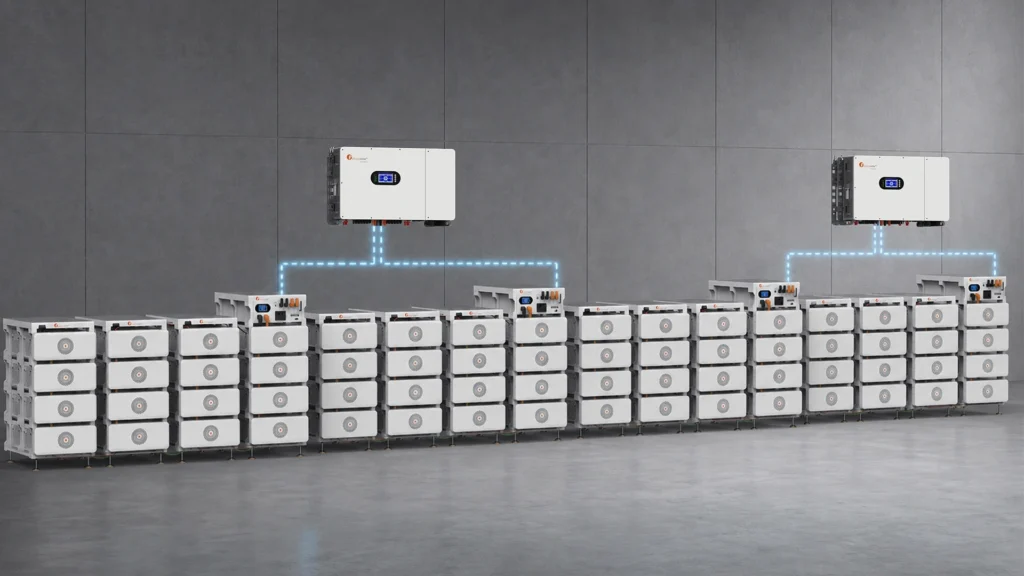
For scalability, the system supports up to 12 units in parallel operation, allowing expansion from medium commercial systems to large industrial energy storage projects.
Key compatibility features include:
- Diesel generators
- Smart load systems
- Microinverters
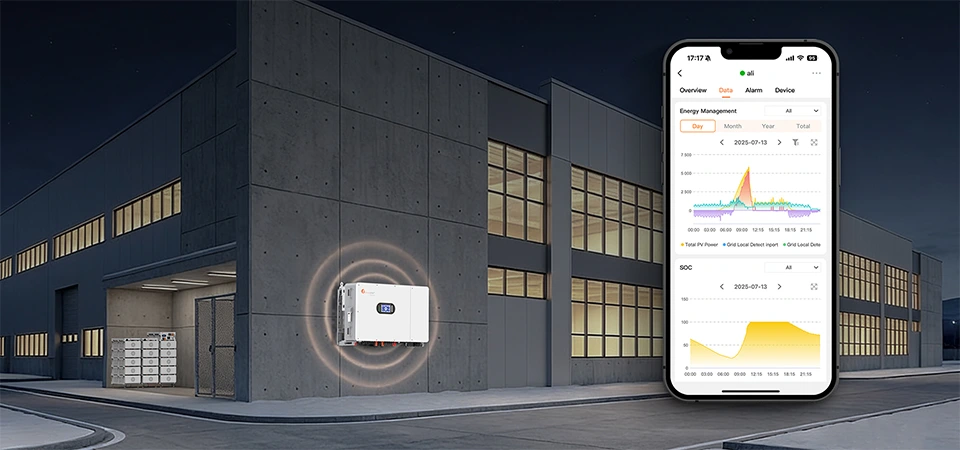
It also features an IP66 protection rating, ensuring durability in harsh outdoor environments. Remote monitoring via the Fsolar APP enables intelligent energy management and real-time system optimization.
Conclusion
In general, choosing an appropriate MPPT hybrid solar inverter entails a number of considerations, including efficiency, MPPT range, battery compatibility, and scalability. Not only will high-quality devices improve solar power efficiency, but they will also allow more efficient energy storage management.
Now that the shift towards sustainable energy is gaining momentum worldwide, the MPPT hybrid solar inverter has become an integral part of smart solar installations. The choice of such a device defines the reliability and efficiency of your entire system, as well as profitability.
Should you have any questions regarding the selection and installation of a MPPT hybrid solar inverter, we are always here to help you out.