

As renewable energy technologies continue to advance, more and more businesses are adopting commercial solar energy solutions and integrating them with energy storage systems. Energy storage systems not only store excess solar power but also optimize energy usage efficiency for businesses. This article will explore the energy storage cycle, introduce its key components, and discuss how these systems effectively integrate with solar energy solutions to enhance overall energy management.
The Energy Storage Cycle in Commercial Solar Solutions
The core function of a commercial energy storage system is to store excess power and release it when needed to ensure stable power supply. Below is the basic flow of the energy storage cycle:
1. Solar Power Generation
A commercial solar system first converts sunlight into direct current (DC) electricity using solar panels. During the daytime, solar panels typically generate large amounts of power. However, since a business’s electricity demand and solar production do not always align, some of the generated power may not be used immediately.
2. Energy Storage
Excess power is fed into the storage system’s battery storage devices. Energy storage systems use various types of batteries (such as lithium-ion or lead-acid batteries) to store power. When solar power generation exceeds a business’s demand, the excess electricity is stored in the batteries to be released when needed in the future.
3. Power Management
Energy storage systems are typically equipped with smart energy management systems (EMS) to control and optimize the storage and release of power. Through EMS, the storage system intelligently allocates stored power based on demand forecasting, time-of-use electricity rates, and power supply conditions. This means that power is stored during the day and can be released during the night or peak electricity price periods to help businesses save on energy costs.
4. Releasing Stored Power
When solar power generation is insufficient to meet the business’s electricity demand (e.g., during nighttime or cloudy weather), the batteries in the energy storage system begin to release power, supplying the necessary electricity. This ensures that businesses can continue using solar-generated electricity and avoid relying on expensive grid electricity.
5. Feedback and Optimization
As the commercial energy storage system operates, the EMS continuously monitors the charge and discharge status of the batteries, power demand fluctuations, and other factors to optimize the charge and discharge cycles. This feedback mechanism ensures that energy is used more efficiently while extending the battery’s lifespan.
Key Components of Commercial Energy Storage Systems
Commercial energy storage systems are made up of several key components, each of which plays an important role in ensuring the system operates efficiently and securely. Below are the primary components of a typical commercial energy storage system:
1. Battery Storage Devices
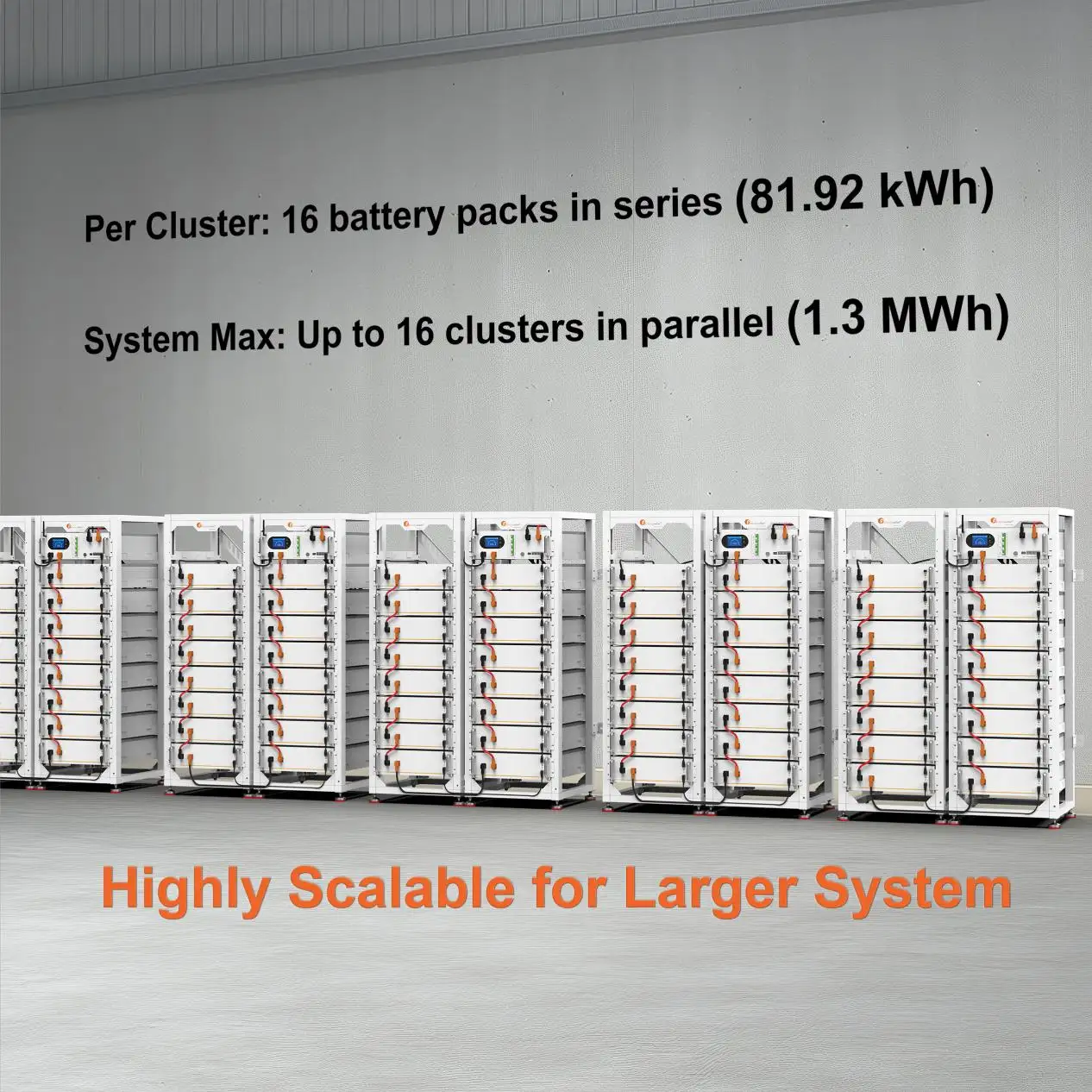
Batteries are the core of the energy storage system, responsible for storing electricity. Common types of batteries used include lithium-ion, lead-acid, and sodium-sulfur batteries. Lithium-ion batteries are particularly popular due to their high energy density, long lifespan, and low maintenance costs. They effectively store electricity generated by solar panels and provide fast charge and discharge capabilities.
2. Inverters
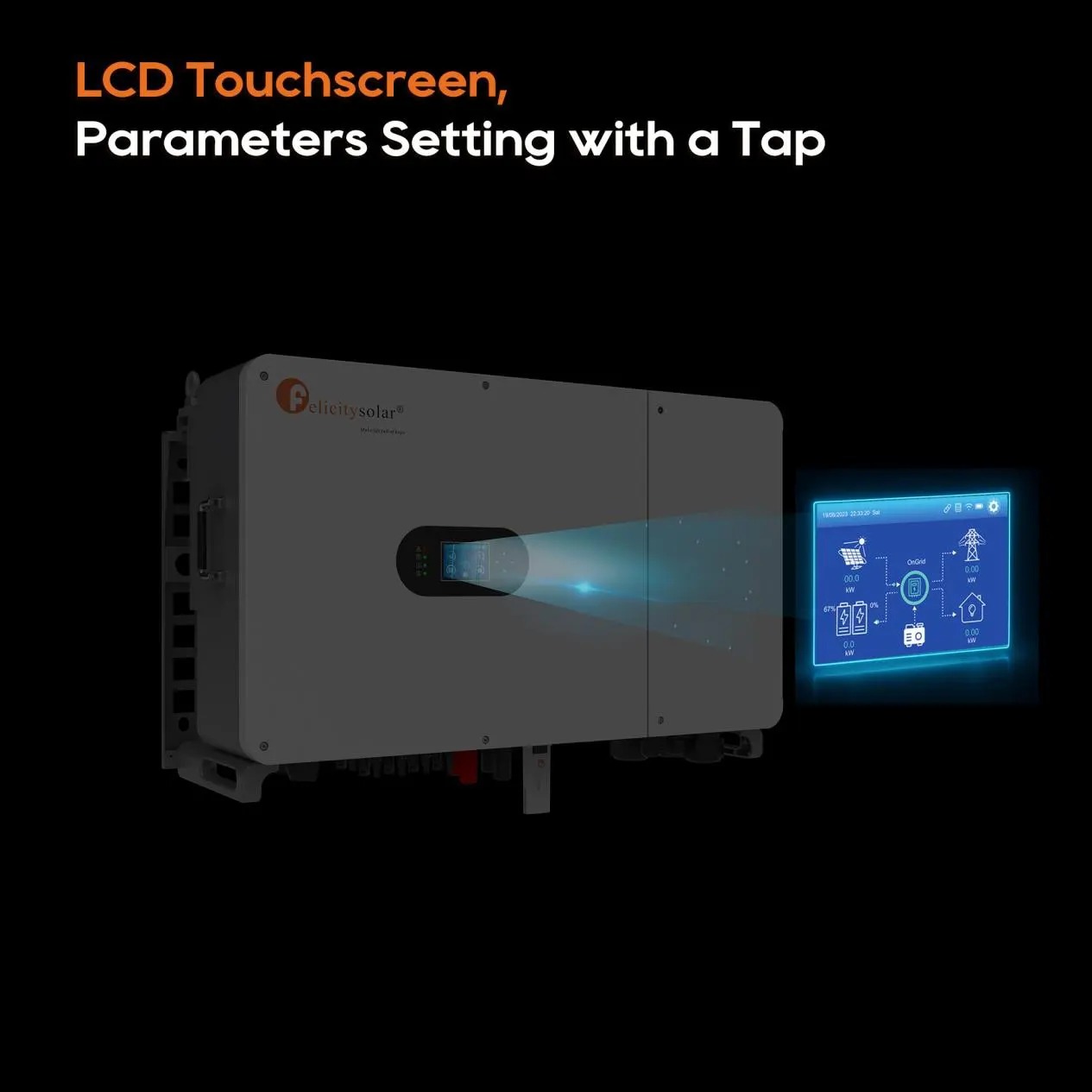
Inverters are used to convert the direct current (DC) generated by solar panels into alternating current (AC) for business use. Inverters often come with energy management functions that, based on the needs of the storage system, either store excess power into batteries or release power from batteries when required.
3. Battery Management System (BMS)
The Battery Management System (BMS) monitors and manages the charge and discharge cycles of the batteries. It ensures that the batteries operate within safe voltage and temperature ranges, preventing overcharging or over-discharging, thus protecting the batteries and extending their lifespan. The BMS also monitors the health of the batteries and optimizes charging and discharging strategies.
4. Energy Management System (EMS)
The Energy Management System (EMS) acts as the “brain” of the commercial energy storage system. It monitors the entire system’s operations, manages battery charge and discharge, controls the flow of electricity, and optimizes power usage based on real-time data. The EMS can intelligently adjust when to use stored energy or draw power from the solar system, maximizing cost-effectiveness.
5. Monitoring and Communication Equipment
Commercial energy storage systems typically include monitoring equipment that allows businesses to track the system’s performance in real-time. Through wireless networks or cloud platforms, businesses can remotely monitor battery status, energy usage, storage efficiency, and other metrics, enabling data analysis and adjustments. Communication systems ensure coordination between different components, enhancing system reliability.
Advantages of Commercial Energy Storage Systems
1. Lower Energy Costs
By intelligently managing the storage and use of solar-generated power, commercial energy storage systems help businesses reduce reliance on grid electricity, especially during peak electricity pricing periods. This can lead to significant energy cost savings.
2. Improved Energy Security
Energy storage systems provide backup power for businesses, especially during grid outages, ensuring that operations are not affected. Energy storage can serve as an emergency power source in case of power interruptions or emergencies.
3. Enhanced Sustainability
Energy storage systems enable businesses to use solar power more efficiently, reduce carbon emissions, and contribute to sustainability goals. This is particularly important for businesses looking to reduce their environmental footprint.
4. Stabilized Power Supply
By combining solar energy and energy storage systems, businesses can achieve a balanced energy supply, reducing the impact of fluctuations in solar power generation and ensuring a stable energy supply.
Recommended Product: FLH 48100UG2
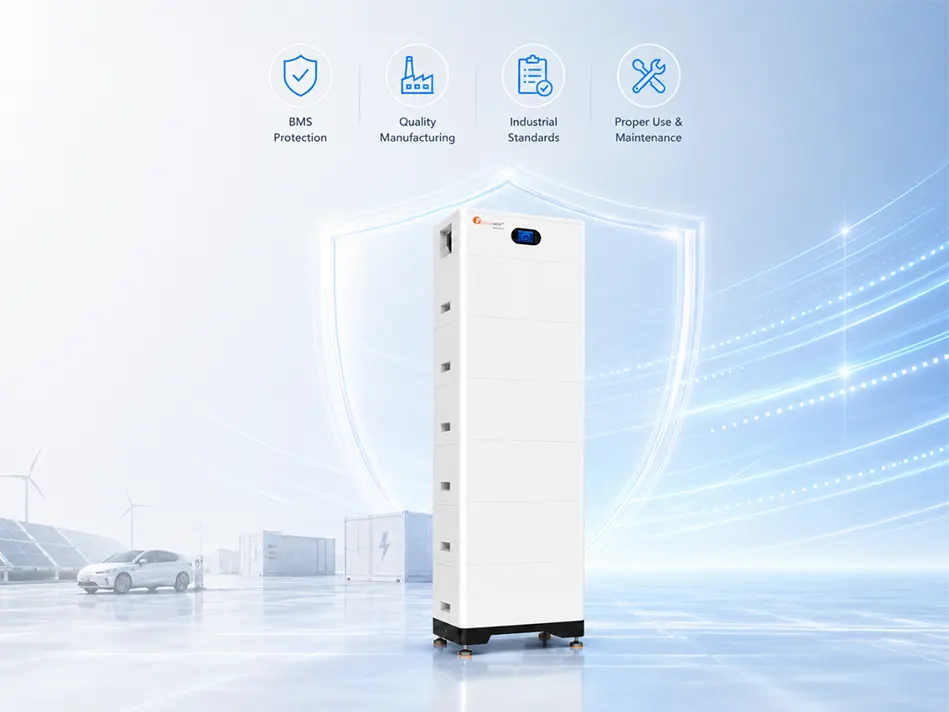
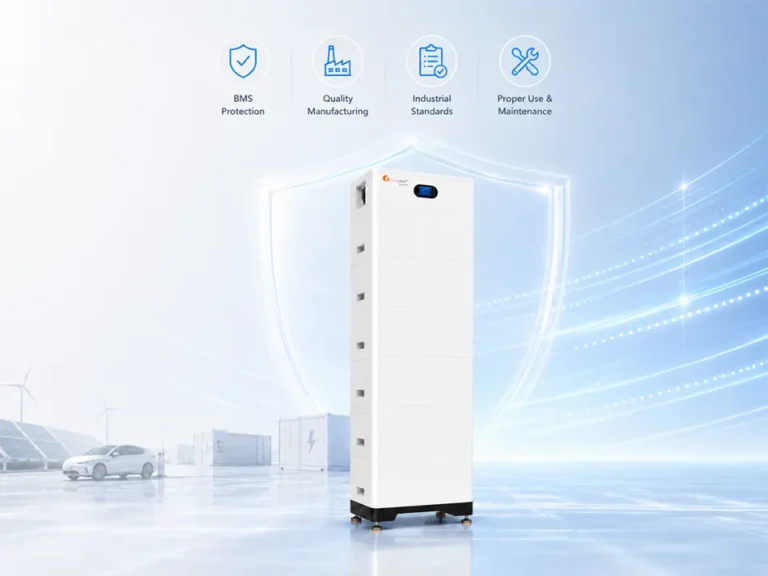
To enhance the efficiency of commercial solar energy solutions, Felicitysolar recommends the FLH 48100UG2 energy storage system. This product utilizes advanced home-use lithium iron phosphate batteries, designed to meet the needs of various commercial applications. The FLH 48100UG2 not only provides high-quality, reliable power support but also offers a long service life, high-temperature tolerance, and a compact structure. Its small size and low space requirements make it ideal for installation in environments where space is limited.
The FLH 48100UG2 energy storage system seamlessly integrates with commercial solar energy solutions, providing stable power support to help businesses effectively manage energy usage, reduce costs, and increase power supply reliability. Whether for daily use or emergency backup, the FLH 48100UG2 ensures maximum energy management benefits for your business.
Conclusion
Integrating energy storage systems with solar solutions is crucial for optimizing the performance of commercial solar energy solutions. By combining storage with commercial solar systems, businesses can enhance energy efficiency, reduce electricity costs, improve energy security, and achieve sustainability goals. As technology advances and the cost of storage devices decreases, more businesses will benefit from these systems, driving the adoption of sustainable energy solutions.
If you are considering implementing commercial solar and energy storage solutions for your business, Felicitysolar can provide customized systems to help you maximize energy management benefits. Our expert team will assist you in selecting the best solution and ensure the efficient, reliable operation of your system. Contact us to learn more about how innovative solar solutions can improve your energy efficiency and reduce operational costs.